|
Psychology Training Program
Table of Contents
Psychology Practice Training Staff
|
Name
|
Position
|
|
HERB AMES, Ph.D.
|
Spinal Cord Injury
|
|
THOMAS ANDERSON, Ph.D.
|
Preceptor for Postdoctoral Emphasis in Serious Mental Illness; Consultation And Specialized Evaluation (CASE) Program - Compensation and Pension
|
|
SARA (Su) D. BAILEY, Ph.D.
|
Senior Psychology Consultant; Program Director, Trauma Recovery Program (TRP); Preceptor for Postdoctoral Emphasis in Trauma
|
|
HELEN (MINETTE) BECKNER, Ph.D.
|
Trauma Recovery Program (TRP) – OEF/OIF Service
|
|
ASHLEY CAMPBELL, Ph.D.
|
Trauma Recovery Program (TRP) - OEF/OIF Service
|
|
ANDREA COHEN, Ph.D.
|
Consultation And Specialized Evaluation (CASE) Program - Neuropsychology
|
|
ROBERT COLLINS, Ph.D.
|
Neuropsychology, Neurology Care Line; Preceptor for the Clinical Neuropsychology Postdoctoral Fellowship
|
|
AMY CUELLAR, Ph.D.
|
Comprehensive Mental Health Program (CMHP) – Psychosocial Rehabilitation and Recovery Center
|
|
JEFFREY CULLY, Ph.D.
|
Consultation And Specialized Evaluation (CASE) Program - Behavioral Medicine; Director Mental Illness Research, Education & Clinical Center (MIRECC) Psychology Fellowship
|
|
NANCY JO DUNN, Ph.D.
|
Trauma Recovery Program (TRP)
|
|
CRISTINA GAMEZ-GALKA, Ph.D.
|
Local Recovery Coordinator
|
|
MICHAEL KAUTH, Ph.D.
|
Co-Director & Associate Director for Education, South Central (VISN 16) Mental Illness Research, Education & Clinical Center (MIRECC)
|
|
ANTHONY KERRIGAN, Ph.D.
|
Substance Dependence & Vocational Rehabilitation (SDVR) Program - Vocational Rehabilitation; Assistant Director of Training
|
|
STACEY LANIER, Ph.D.
|
Trauma Recovery Program (TRP) - OEF/OIF Service
|
|
JEFFREY LINDEMAN, Psy.D.
|
Consultation And Specialized Evaluation (CASE) Program (Neuropsychology)
|
|
JILL MCGAVIN, Ph.D
|
Program Director, Substance Dependence & Vocational Rehabilitation (SDVR) Program
|
|
JOYCE McKINNEY, PhD
|
Comprehensive Mental Health Program (CMHP)
|
|
DEBORAH MULLINS, Ph.D.
|
Acting Program Director, Comprehensive Mental Health Program (CMHP); CMHP - Family Psychoeducation
|
|
QUANG (Charlie) NGUYEN, Ph.D.
|
Comprehensive Mental Health Program (CMHP)
|
|
NICHOLAS PASTOREK, Ph.D.
|
Polytrauma Network Site - Neuropsychology
|
|
ROBERT (Barry) SCHOLES, Psy.D.
|
Spinal Cord Injury
|
|
JANINE SHAW, Ph.D.
|
Mental Health Care Line Performance Improvement Manager
|
|
PAUL SLOAN, Ph.D.
|
Mental Health Inpatient Program
|
|
CANDY SMITH, Ph.D.
|
Substance Dependence & Vocational Rehabilitation (SDVR) Program
|
|
GABRIEL TAN, Ph.D., ABPP
|
Chronic Pain Center/ Biofeedback Laboratory
|
|
ELLEN J. TENG, Ph.D.
|
Director of Training, Trauma Recovery Program (TRP)
|
|
LAURA TOLPIN, Ph.D.
|
Mental Health Inpatient Program
|
|
KAREN WALDMAN, Ph.D.
|
Comprehensive Mental Health Program (CMHP) –Geriatric psychiatry
|
|
WRIGHT WILLIAMS, Ph.D., ABPP
|
Trauma Recovery Program (TRP)
|
|
DARLENE WITCHER, Ph.D.
|
Trauma Recovery Program (TRP)
|
|
MICHELE K. YORK, Ph.D.
|
Parkinson’s Disease Research, Education and Clinical Center (PADRECC), Neurology Care Line
|
[Back to Top]
INTRODUCTION
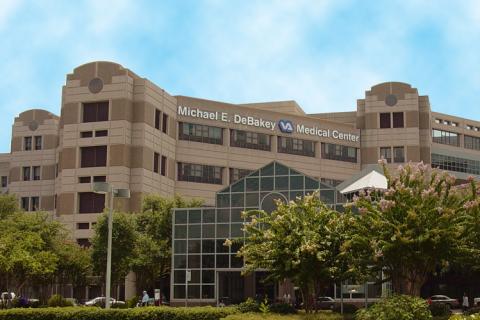
The Michael E. DeBakey Veterans Affairs Medical Center (MEDVAMC) is a 507 bed General Medical and Surgical Hospital. This new state-of-the-art hospital opened in 1991. It is a teaching hospital affiliated with Baylor College of Medicine for instruction and clinical experience in various medical specialties and is part of the Texas Medical Center, the largest medical complex in the nation. Approximately 45 of the beds are assigned to the Mental Health Care Line, the remainder being devoted to Medicine, Surgery, Spinal Cord Injury, and Physical Medicine & Rehabilitation. Most veterans are treated on an outpatient basis.
A wide variety of training programs are conducted within the hospital, and interns assigned to this institution will be in a setting that provides a high degree of intellectual stimulation. Some of the training programs included at MEDVAMC are: medical intern and residency assignments; internships and/or residencies in dentistry, dietetics, hospital administration, and pharmacy; and affiliated traineeship in audiology and speech pathology, occupational, manual arts, kinesiotherapies and social arts, social work, and nursing.
The MEDVAMC sponsors hospital wide programs to increase awareness and understanding of culturally diverse populations. In addition to an active EEO Program, the hospital sponsors hospital wide programs such as: Houston Hispanic Career Day Forum, Black and Hispanic Mentoring Programs, Cultural Diversity Training, and various celebrations and ethnic heritage programs.
Within the hospital, an active program of medical research is conducted that is designed to explore problems on all frontiers of medical science. Animal laboratories, special facilities for observation and study in the behavioral sciences, and nationwide cooperative studies in chemotherapy and aging are examples of the available opportunities for research.
The MEDVAMC has a small library with computerized links to a network of virtual library resources. The Jesse Jones Library located within the Texas Medical Center is equipped with reference books and current journals in the medical sciences, psychology, and other related disciplines. Close proximity of the hospital to the Texas Medical Center, Rice University, University of Houston, and Texas Southern University provides easy access to the libraries and teaching facilities of these institutions.
Our Medical Center is conveniently located near a number of residential areas, and an excellent choice of rental apartments or houses is available.
We currently have funded positions for seven Interns and five Post Doctoral Fellows in clinical psychology. The MEDVAMC Internship Program in Clinical Psychology is fully accredited by the American Psychological Association.
Program Consultation and Accreditation
American Psychological Association
750 First Street NE
Washington DC 20002-4242
(202) 336-5500
[Back to Top]
THE PREDOCTORAL INTERNSHIP PROGRAM
TRAINING GOALS FOR INTERNS
The Psychology Practice within the Mental Health Care Line at the MEDVAMC offers an internship for students in APA approved graduate clinical and counseling psychology programs. The goal of the Psychology Internship Program is to prepare interns for the practice of professional psychology in a variety of settings with a particular emphasis on preparation for VA and other medical/institutional settings. It is our mission to assist interns, not only in the acquisition of a range of professional skills, but in the development of a professional identity and role. Our philosophy reflects a scholar/practitioner model with the goal of providing interns with the most up-to-date knowledge, skill, and interventions for a rapidly changing health care arena. Training is dedicated to a quest for scholarly inquiry and professional problem solving, with supervisors serving as mentors to the interns.
The patient population at the MEDVAMC is quite diverse, reflecting the rich diversity of Houston and the large catchment area of VISN 16. Patients come from various cultural, ethnic, and socioeconomic backgrounds, range from young to older adults, and have varied psychiatric and physical disabilities. Thus, a major goal of the Psychology Practice internship program is to help interns enhance their awareness, appreciation, and understanding of diversity issues related to patient care and allow interns ample opportunities to work with patients from various backgrounds. A wide selection of rotations, opportunities to work in outpatient and inpatient units and to conduct individual and group psychotherapy, weekly training seminars, close supervision, case conferences and unit staff meetings, and regularly scheduled mental health and hospital-wide conferences help interns gain the skills necessary to work effectively with diverse patient populations. Opportunities are also available for interns to participate in ongoing research or to initiate a research project.
Baylor College of Medicine (BCM) and the University of Texas Health Science Center are located a few blocks from the VA Medical Center. Each institution conducts its own training program in psychology, offering practice and internship level clinical experience. Both institutions participate with the VA Medical Center in inter-institutional seminars and training programs.
The MEDVAMC is an equal opportunity employer and encourages persons of diverse backgrounds of all types to apply to the psychology internship program. Although interns entering the VA program are under no obligation, many do take employment with the VA for their first Post Doctoral staff affiliation. The internship comprises a 12-month appointment offering 2080 hours of training. The current stipend is $25,716 rendered in 26 bimonthly payments. Benefits include 10 federal holidays, plus sick and annual leave accrual totaling 26 days for the year and reasonably priced medical insurance. Interns also may have up to five paid days per year granted to attend relevant professional conferences and approved educational activities.
[Back to Top]
INTERNSHIP APPLICATION PROCEDURES
- A completed and signed AAPI (APPIC Application for Psychology Internships)
- Verification of Internship Eligibility and Readiness form (also known as AAPI Part 2).
- An official graduate transcript.
- Letters of recommendation from three professionals familiar with your background. We would like to hear from faculty members familiar with your academic preparation, as well as supervisors familiar with your clinical work.
- A complete, up-to-date curriculum vitae.
- Receipt of application by December 1st. All materials listed above should be submitted in one packet.
All complete applications received by the deadline will be screened for "goodness of fit," and approximately 40 applicants will be invited to interview. We will inform all applicants of whether they will be invited for an interview no later than 12/15. We encourage on-site interviews and typically do not conduct telephone interviews. Applicants with a disability who require accommodations for the application process or interview are encouraged to contact the Training Director to discuss their needs. We will make reasonable accommodations upon request. To be eligible for internship, applicants must be doctoral candidates (Ph.D. or Psy.D.) enrolled in an APA approved counseling or clinical psychology program and must be United States citizens. Applicants should have completed a minimum of 800 practicum hours. Our internship observes all of the rules and policies set down by the Association of Psychology Postdoctoral and Internship Centers (APPIC). This internship site agrees to abide by the APPIC policy that no person at this training facility will solicit, accept or use any ranking-related information from any intern applicant. Current APPIC guidelines and applications are provided on the APPIC website (www.appic.org *). The internship year begins the first week in August.
Send Applications To:
Ellen J. Teng, Ph.D.
Director of Psychology Training
Michael E. DeBakey VAMC
116 MHCL
2002 Holcombe Blvd
Houston, TX 77030
[Back to Top]
In order to meet our training goal involving appropriate breadth and depth of psychological service delivery expertise, interns are expected to select six half-time placements of four months duration each. These placements are designed on the basis of intern preferences, but with an eye towards achieving a balance of experiences. The intern will have a mix of outpatient and inpatient placements, along with a distribution of therapy, assessment, and consultation experiences. The intern is typically assigned to two concurrent half-time placements lasting four months each. Some interns may also select a one-day placement in a specialty area, such as Forensic Psychology. The sequence of placements is sometimes determined by an intern’s particular need for early placement in a content area where he/she may be seeking a later post-doctoral fellowship (e.g., Neuropsychology, Geropsychology, Substance Dependence). The following is an example of two of the possible training tracks.
|
Sample Track A
|
|
Sample Track B
|
|
|
Rotation 1
|
|
Rotation 1
|
|
|
CMHP – PRRC
|
50%
|
Trauma Recovery Program
|
50%
|
|
SDVR - Vocational Counseling
|
50%
|
Substance Dependence
|
50%
|
|
|
|
|
|
|
Rotation 2
|
|
Rotation 2
|
|
|
Neuropsychology
|
50%
|
CMHP – Geriatric psychiatry
|
50%
|
|
Spinal Cord Injury
|
50%
|
Mental Health Inpatient Program
|
50%
|
|
|
|
|
|
|
Rotation 3
|
|
Rotation 3
|
|
|
Chronic Pain Center
|
50%
|
Neuropsychology
|
50%
|
|
Trauma Recovery Program – OEF/OIF
|
50%
|
MH CASE -Behavioral Medicine
|
50%
|
|
|
|
|
|
There are a large number of psychologists at MEDVAMC. Hence interns will have an opportunity to gain exposure to varied theoretical orientations. Group Therapy intervention is the dominant therapy modality and treatment approaches include CBT, group process, interpersonal, psychodynamic and didactic depending on the needs of the population served and the specialized approach style of the individual supervisor. There are ample opportunities for experiences in supervised individual therapy and family therapy (interns are expected to maintain an individual client over the year) and some psychologists are able to provide supervision in family therapy if there is an interest. The MEDVAMC psychology internship has a close association with BCM and interns will also have the opportunity to participate in minor rotations offered through the BCM clinical psychology internship program (the number of available minors varies from year to year).
Each psychology intern is assigned to a specific staff psychologist for professional supervision during each rotation. These training assignments are rotated every four months so that the intern will gain experience in different treatment programs and with different supervisors. Each intern will have at least six rotations and six different supervisors. The interns are expected to progress from more intensive supervision at the beginning of the year to more autonomous functioning by the year’s end.
There are a number of scheduled training seminars on clinical assessment, psychotherapy, clinical issues, and professional issues. Other conferences, staff meetings, case presentations, and regular unit staffings are scheduled so that interns can attend. To facilitate further communication among the interns and between the interns and staff, several arrangements have been created. For example, the interns meet with the Director of Training each week to discuss problems, changes and/or issues of concern to the interns. Once a month the VA interns meet with interns from Baylor College of Medicine, University of Houston Counseling Center, the University of Texas Medical School, the Cypress-Fairbanks independent School District, and the Houston Independent School District. This affords the interns in the Houston area an opportunity to form a support network and discuss professional issues.
Interns are expected to demonstrate understanding and competence in the areas of diagnosis and assessment, effective interventions, consultation, evaluation of efficacy of interventions, and issues of cultural and individual diversity. Interns are expected to present assessment and therapy cases so that their competence can be formally evaluated.
On completion of each training assignment, supervisors evaluate the intern's performance during the preceding four months. Feedback on this evaluation and intern progress is discussed with supervisors. A written evaluation of progress in training is furnished to the intern’s departmental Director of Training each rotation. Each intern is also asked to make an evaluation of the supervision received during the preceding rotation. At the end of the internship year each intern is asked to evaluate the internship experience during an exit interview.
[Back to Top]
INTERNSHIP ROTATIONS
The following information provides a more detailed overview of the involvement of Psychology in patient care services within the Mental Health Care Line at the Michael E. DeBakey VAMC.
Behavioral Medicine / Mental Health Research - Emphasis in Medical Psychology
Jeffrey A. Cully, Ph.D.
This rotation is designed to provide interested interns with applied research and clinical training opportunities in the area of behavioral medicine and medical psychology (the application of psychological principles to medically ill patient populations).
Interns electing this rotation will largely serve in the capacity of a research clinician with experiences ranging from the provision of direct clinical service (e.g. individual psychotherapy within the context of externally funded clinical research protocols), project oversight/design, patient recruitment, data management, and preparation of scientific manuscripts. Because interns will vary in their exposure and comfort with research, rotation goals and expectations will be based upon each student's individual interests and ongoing professional development. Although interns will be provided with authorship on submitted manuscripts, publications are not required for successful completion of the rotation.
The primary research emphasis for this rotation is on improving mental health care for depressed and/or anxious chronically ill patients. Current research projects range from observational studies (the prevalence and impact of mental health factors in chronic medical conditions) to manual-based psychotherapy intervention trials. Past projects have also included studies of mental health care in the VA specifically related to acute care for depression and adequacy of psychotherapy exposure in integrated health care settings.
Other clinical opportunities including a small behavioral medicine caseload of individual psychotherapy patients (2-4) are also available. All patients are seen within the behavioral medicine clinic and treated within a short-term cognitive-behavioral skills-based model (8 sessions or less). The vast majority of patients have some form of mild to moderate psychological difficulties (e.g. depression, anxiety, adjustment disorder) related to a chronic medical condition or other recent life change.
Chronic Pain Center
Gabriel Tan, Ph.D. ABPP
The Chronic Pain Center is a multi-disciplinary program headed by an anesthesiologist-pain specialist. The intern will be involved in initial psychosocial assessments of pain patients and will have the opportunity to observe pain-focused physical examinations and the formulation of pain diagnosis by the anesthesiologist. The intern will lead/co-lead one or more pain management groups, including but not limited to psycho-educational groups, coping skills training groups, therapy-support groups and generalized reconditioning groups. The intern will also be assigned individual cases for management and psychotherapy. Opportunities will be available to learn to incorporate hypnosis, biofeedback (EEG and peripheral), and other state of the art psycho-physiological procedures for diagnostic and treatment purposes. Opportunities to engage in research are available.
Comprehensive Mental Health Program (CMHP)
Quang (Charlie) X. Nguyen
The Comprehensive Mental Health Program (CMHP) is a continuous care program that provides services to veterans with affective, psychotic, and cognitive disorders. CMHP has several components, including general outpatient services, Mental Health Intensive Case Management (MHICM), a Psychosocial Rehabilitation and Recovery Center (PRRC), Family Psychoeducation (FPE), and Dialectical Behavior Therapy (DBT). A major goal of the programs in CMHP is to help veterans achieve the highest possible level of functioning, productivity, independence, interpersonal effectiveness, and overall satisfaction with life. Respect for individuals is greatly emphasized. Interns will have the opportunity to be a part of a cohesive interdisciplinary treatment team, which includes psychiatry, psychology, social work, and nursing. Training opportunities include participation in group therapy, psychoeducational classes, individual therapy, and psychosocial and psychological assessments. Opportunities to accompany the MHICM team in the field and observing ECT treatment will also be available.
Comprehensive Mental Health Program (CMHP) - Family Psychoeducation
Deborah Mullins, Ph.D.
Family involvement is an important focus of mental health care within the VA and trainees would have several opportunities to develop their skills with veterans and their families as part of this rotation. Interns would participate in a twice-monthly multifamily group, which includes the families of veterans with chronic and persisting mental illness and those veterans who can gain from participation in the groups. Trainees are also given the opportunity to meet with families in “joining sessions,” which are designed as the introductory phase of the ongoing multifamily group. Our work with families also involves a didactic class on family relationships in the Psychosocial and Rehabilitation and Recovery Center as well as a support group for families who have a relative who is on the inpatient unit. In addition to these activities, we also see families who are best served by “individual” family therapy of varying lengths.
Comprehensive Mental Health Program (CMHP) - General Psychiatry and Geriatric Psychiatry
Karen Waldman, Ph.D.
This rotation allows interns to gain a wide variety of clinical experiences with a diverse group of veterans, primarily in an outpatient setting. Opportunities exist to work with high-functioning veterans having a wide variety of presenting problems, including combat-related PTSD, complicated bereavement, marital conflict, adjustment to major medical problems and life-threatening illnesses, recurrent major depression, dual diagnosis, and other anxiety / mood disorders. Clinical experiences include providing individual psychotherapy and couple's counseling; facilitating or co-facilitating specialized therapy groups; coordinating treatment plans and care with other mental health providers; conducting occasional psychosocial assessments, psychological evaluations, and brief neuropsychological screenings for dementia; and teaching a skills course or psychoeducational class (if desired).
Consultation and Specialized Evaluation (CASE) - Neuropsychology Clinic
Andrea Cohen, Ph.D. and Jeffrey Lindeman, Psy.D.
The Neuropsychology Clinic provides neuropsychological consultation to all the units and clinics of the Medical Center. The primary function of the clinic is neuropsychological assessment of known or suspected organic brain disorder. The Boston Process Approach is the principal method applied, utilizing a variety of instruments. Evaluations are tailored to individual patient needs and referral questions, rather than applying a set battery. The intern will have the opportunity to learn techniques of neuropsychological investigation and principles of interpretation and treatment planning with regard to the functional and diagnostic significance of findings for a wide variety of neurological disorders. Interns may attend Houston Neuropsychological Society meetings and other relevant educational meetings.
Counseling Psychology/Vocational Rehabilitation
Anthony Kerrigan, Ph.D.
Counseling Psychology/ Vocational Rehabilitation comprises 13 vocational rehabilitation counselors and a counseling psychologist. The program’s focus is on work restoration and the integration of veterans with psychiatric and physical disabilities to community employment. This is one of 162 sites nationwide that include Compensated Work Therapy Supported Employment (CWT-SE). Supported Employment, an evidence based practice for people with SMI was implemented in 2005. Since then this has been expanded to veterans with polytrauma and spinal cord injury.
In FY2008 the ‘vocational unit’ worked with over 700 veterans with a daily census of about 250. 80% of veterans have a substance use problem, 15% have other psychiatric disabilities including SMI and 5% have phsyicla disabilities including SCI. Over 90% of the veterans in the work restoration programs are middle aged men. Ethnic make up includes 60% African American, 35% White, and 5% Hispanic. The population is almost 100% urban with a large percent homeless (80%) and unemployed (98%). Trainees will participate in recovery and work restoration planning, group therapy, conducting didactic groups, individual counseling, and outreach activities in the community.
Forensic
Jerry Brown, Ph.D.
This rotation includes an opportunity to work with the Harris County psychologists inside the Harris County Jail doing competency and sanity evaluations. At times there are cases that allow the intern to attend court hearings to learn about the dynamics of psychological testimony in court. This rotation assists in sharpening interview and testing skills as well as providing the setting for learning about the functioning of a psychologist in the criminal justice system.
Inpatient Rotation
Paul Sloan, Ph.D. & Laura Tolpin, Ph.D.
This rotation allows interns the chance to provide clinical services to psychiatric inpatients and participate on multidisciplinary teams. Interns would be able to work intensively with inpatient veterans with a wide variety of problems, including acute exacerbations of serious mental illness and/or affective disorders, anxiety disorders, thought disorders, and substance disorders. Opportunities exist for interns to co-facilitate different kinds of inpatient groups (including process and psycho-educational groups), conduct individual therapy, and collaborate with other professionals on the inpatient unit. One of the more unique aspects of this rotation is the focus on learning and implementing brief therapy, for instance, solution-focused therapy.
Neuropsychology, Neurology Care Line
Robert Collins, Ph.D.
The Clinical Neuropsychology Service within the Neurology Care Line primarily receives consultation through various neurology outpatient clinics (e.g., cognitive disorders clinic, stroke clinic, seizure clinic, etc.). Less frequently there are requests for inpatient evaluations, usually for the purpose of addressing competency/limitations to independence. The patient population is typically older and the primary questions being asked are diagnostic in nature (e.g., differentiation of various dementias, cognitive disorders in the context of psychiatric illness, recovery of cognitive functioning following head injury or stroke, malingering, etc.). This service has direct involvement in the MEDVAMC epilepsy surgery program and there may be opportunities for interns to assist in the pre- and post-surgical evaluation of these patients as well as assisting with intracarotid amobarbital (e.g., WADA) studies. There may be opportunities to collaborate on research projects and to provide psychotherapy to patients with CNS disease and psychiatric illness. This is a rotation where the emphasis is on teaching the basics of neuropsychological assessment (including interviewing, test selection, interpretation of data, etc.) and exposure to different neurological/psychiatric populations. The assessment approach utilized on this rotation is one that is hypothesis driven to guide test selection with a flexible battery. Test findings are compared to normative data and interpreted within an information processing framework. It is understood that students/interns/fellows have varying degrees of assessment experience/exposure to neurological populations and every effort will be made to individually tailor each training experience. Interns at all experience levels will be expected to complete readings in neuropsychology and to attend neuropsychology seminars. Interns will have an opportunity to work with the Clinical Neuropsychology Postdoctoral Fellows.
Polytrauma Network Site
Nicholas Pastorek, Ph.D.
The neuropsychology service in the Polytrauma Network Site primarily provides outpatient assessment and treatment to veterans with polytrauma from Operation Enduring Freedom/Operation Iraqi Freedom. These active duty soldiers and veterans are typically in the post-acute stage of recovery from brain injury and often have suffered other injuries. Assessment and treatment of the polytrauma survivors entails monitoring cognitive functioning through neuropsychological assessment, improving cognitive functioning and maximizing independence through individual and group therapies, and facilitating psychological adjustment of the patients and caregivers through psycho-educational sessions. Consults are also routinely received from general inpatient rehabilitation clinics. Neuropsychological evaluation in this context is typically requested to assess competency and to make recommendations regarding assistance and supervision for older adult veterans recovering from stroke or other acquired brain injuries. This is a rotation where the emphasis is on teaching the basics of neuropsychological assessment (including interviewing, test selection, test administration, interpretation of data, etc) and exposure to different neurological/psychiatric populations. Test selection is hypothesis driven and findings are compared to normative data and interpreted within an information processing framework. It is understood that trainees have varying degrees of assessment experience and exposure to neurological populations and every effort will be made to individually tailor each training experience. The experiences of trainees on this rotation may vary considerably depending on their familiarity with neuropsychological testing, availability, and goals. In general, it is expected that trainees will become reasonably proficient in administering, scoring, and interpreting test results within a neuropsychological framework by the end of the rotation. Trainees will also learn about the cognitive sequela following brain damage, especially traumatic brain injury and stroke, and will become adept at using this knowledge to make functional recommendations and to educate the patients and their families. Trainees will also be expected to attend and to actively participate in neuropsychology seminars. Trainees may have the opportunity to work with extern students and to work under the guidance of the neuropsychology post-doctoral fellows.
Psychosocial Rehabilitation and Recovery Center (PRRC)
Amy Cuellar, Ph.D.
Interns on this rotation will have the opportunity to learn how to deliver recovery-oriented services to a population with serious mental illness. Interns will learn the basics of psychiatric rehabilitation that focuses on helping veterans achieve self-identified goals for recovery, better psychosocial functioning, and greater integration in their communities. Interns will conduct screening assessments that focus on helping veterans identify recovery goals, individual recovery coaching sessions to help them problem solve around goal achievement, and psychoeducational and skills-based groups, such as Social Skills Training for Schizophrenia, Illness Management & Recovery, and Wellness Recovery Action Plan development.
Recovery Services Consultation
Cristina (Cristy) Gamez-Galka, Ph.D.
This is an administrative and clinical rotation whereby trainees would be exposed to the recovery literature, recovery-oriented practice, and strategic planning depending on interests and experience. Recovery is about conceptualizing and delivering mental health care in a different way, so one component of the rotation would focus on building proficiency with this way of thinking and practice. The trainee would read relevant articles and have a chance to review videos and other materials to build proficiency with this way of thinking and practice. A second component of the rotation would focus on practice issues. Time will be spent facilitating the trainee's proficiency with delivering recovery-oriented care by talking about their current clinical activities including group therapy, engaging in recovery coaching, and completing assessments in the PRRC. Recovery-oriented care is not only about individual skills, but also about systems. For this reason, a part of the time can be spent on various systems related tasks (e.g., VISN calls/projects, committees) to engage in planning, designing, implementation, and/or evaluation efforts. These activities can be used to understand the "big picture" of recovery within MEDVAMC and VA.
Sex Offender Group
Sara (Su) Bailey, Ph.D.
The intern on this rotation would co-lead a group for sex offenders who have been referred from the probation and parole departments. In conjunction with this population, the intern would be involved in the initial assessment of patients entering into the long-term outpatient sex offender group.
Spinal Cord Injury Unit
Herb Ames, Ph.D. and Robert (Barry) Scholes, Psy.D.
Patients on this unit have sustained injuries to their spinal cords at differing anatomical levels resulting in a variety of physical and functional abilities. Treatment involves maximizing psychosocial, vocational, and sexual adjustment. Interns assigned to the SCIS will be exposed to a broad range of topics and will become aware of various surgical, medical, neurological, urological, rehabilitative, as well as psychological procedures, as they relate to the SCI patient. The intern is expected to establish a therapeutic alliance with assigned patients. They will help the patient to encounter and overcome numerous obstacles whether injury-related or pre-morbid. Working with families is usually indicated as part of a systems approach.
Substance Dependence Rehabilitation Section (SDRS)
Candy Smith, Ph.D.
Substance Dependence Rehabilitation Services (SDRS) is part of the Substance Dependence & Vocational Rehabilitation (SDVR) Program within the Mental Health Care Line. SDRS is a 6-month, outpatient program that provides mental health treatment to veterans whose primary diagnoses involve substance abuse or dependence. The most commonly treated addictions within SDRS are alcohol, crack cocaine, and/or marijuana. In addition to drug addictions, veterans receiving treatment in SDRS also struggle with homelessness, unemployment, and mental illness as well as medical and legal problems. The major treatment modality of SDRS is group therapy (both psychoeducational and process), which allows interns the opportunity to serve as co-leaders to various groups. Interns also have opportunities to participate in all levels of treatment, including individual therapy, case management, psychological assessment, treatment planning, discharge planning, and interdisciplinary treatment team meetings. The main training goal is to increase interns' knowledge base and comfort level in treating substance dependence.
Trauma Recovery Program (TRP)
Nancy Jo Dunn, Ph.D.
Interns will participate in traditional clinical activities within the Trauma Recovery Program, including an educational group for veterans and family members that detail the nature of PTSD and the impact on the family. This group is available to all members of the TRP. Additionally, interns will be involved in ongoing clinical research endeavors that utilize empirically based therapy modalities. Interns will have the opportunity to participate in discussions of the clinical efficacy and cost-effectiveness of these interventions. Supervision includes direct observation and immediate feedback on therapy sessions.
Trauma Recovery Program (TRP)
Wright Williams, Ph.D., ABPP
This rotation emphasizes the challenge of leading day hospital and outpatient group therapy with patients suffering from PTSD, depression, and various personality disorders. Interns conduct individual therapy sessions with video taped supervision, lead an outpatient psychotherapy/support group for older veterans, co-lead psychodynamic process groups, conduct personality assessments learning to use the MMPI as a map of personality, and participate in the activities of the TRP treatment team. The experience focuses on helping interns learn how to successfully treat patients with PTSD and characterological disorders using short-term, intensive and process/object relations group and individual therapy. The rotation also focuses on the inevitable professional developmental stages that accompany the internship period and moves the intern toward a confident professional identity.
Trauma Recovery Program (TRP)
Darlene Witcher, Ph.D.
On this rotation, interns will primarily be involved in the partial hospitalization component of the program. In this component, veterans attend an intensive, structured course of group therapies over a 12-week period. Thus, there are ample opportunities for group therapy experience, rapport building, and continuity of care. The intern will work closely with the supervisor in conducting process group therapy session, weekly psychodrama, and milieu activities. They will also be exposed to and participate in interdisciplinary treatment team activities. The predominant population served is combat veterans with a diagnosis of PTSD. Additionally, the intern may have the opportunity to assist in intake interviews and assessment of inpatients. Interns may also elect to follow a patient of their choosing in individual therapy as appropriate. This rotation will provide the intern with expertise in treating PTSD and other anxiety disorders, dealing therapeutically with anger and trust issues, and enhancing group therapy skills.
Trauma Recovery Program (TRP) – OEF/OIF Service
Minette Beckner, Ph.D., Ashley Campbell, Ph.D. & Stacey Lanier, Ph.D.
This rotation involves working exclusively with the Operation Iraqi Freedom and Operation Enduring Freedom veterans. The OEF/OIF Program is comprised of a team of clinicians including 3 psychologists, 2 psychiatrists, and a social worker. Our mission is to do initial integrated mental health screenings on all the OEF/OIF veterans that register at the VA. Following the initial assessment, we offer a variety of mental health services that range from psychoeducational groups, skills groups, process groups, individual therapy, case management, and medication management. We assess and treat a spectrum of disorders, including PTSD and other anxiety disorders, mood disorders, and other readjustment issues. Interns on this rotation are expected to conduct mental health screenings, and follow several veterans for short term individual therapy. Thus, a main focus of the rotation will be on diagnostic assessment and treatment planning skills as well as short term therapeutic interventions for a variety of mental health and readjustment issues. Other opportunities on this rotation may include participation in family psychoeducational and other therapy groups, program development, and research. Interns will also be able to participate in multidisciplinary treatment team activities.
[Back to Top]
THE POSTDOCTORAL FELLOWSHIP PROGRAM
Introduction
The Postdoctoral Fellowship Program in Clinical Psychology is administered by the Psychology Training Committee and resides primarily within the MEDVAMC Mental Health Care Line. MEDVAMC offers five postdoctoral positions, three of which provide emphasis training in specific areas of psychology and two of which provide specialty training in clinical neuropsychology. The three emphasis areas include a one year fellowship in the psychological treatment of persons with serious mental illness (Preceptor: Thomas Anderson, Ph.D.) and two one year fellowships within the Trauma Recovery Program (one emphasizes interventions with persons with PTSD or related anxiety disorders while the other focuses on assessment and treatment of OEF/OIF veterans. (Preceptor: Su Bailey, Ph.D.). We offer two postdoctoral fellowship positions that provide specialty training in clinical neuropsychology. The neuropsychology fellowship requires two years of training, and we will accept applications for two positions in 2010 (to start in 2010; Preceptor: Rob Collins, Ph.D.).
Clinical Fellows receive a stipend of $46,125 for the first year and $48,000 for the second year (neuropsychology). They are expected to work full-time accruing 2080 hours per year. Benefits include 10 federal holidays, plus sick and annual leave accrual totaling 26 days for the year and reasonably priced medical insurance. Fellows may be granted up to seven days of authorized absence for professional conferences and approved educational activities, annually. All Fellows are appointed at the Instructor level in the Menninger Department of Psychiatry and Behavioral Sciences at Baylor College of Medicine.
Goals and Objectives
The primary goal of the MEDVAMC Psychology Postdoctoral Fellowship Program is to train future psychology leaders in a rapidly evolving health care arena by providing a foundation in advanced clinical service delivery, education, and research. This is accomplished by providing a systematic and sequenced program for developing advanced skills that expand and build upon the existing knowledge bases of incoming fellows. The goal is that at the time of graduation, the fellows will be able to function as autonomous professional psychologists in a variety of clinical or research settings, including VA medical centers, academia, and other public sector environments.
Training objectives include attaining advanced knowledge and skills in 1) comprehensive psychological assessment, 2) a broad range of psychological interventions, 3) strategies of scholarly inquiry, 4) relevant administrative and organizational activities, 5) consultation, program evaluation, supervision, and teaching, 6) professional issues and conduct, and 7) cultural and individual diversity competencies.
All fellows work within their emphasis/specialty area, but also complete other clinical rotations and are expected to be involved actively in research and/or program evaluation activities. Fellows, working with their preceptors, must develop and follow an individualized training program with goals, objectives, and time lines across the training term. In addition, competency attainment at advanced levels in core and specific areas must be demonstrated through work sample presentations and successful performance in broad competency areas as indexed by supervisory ratings on fellow evaluation instruments.
CLINICAL SPECIALTY AREAS
Serious and Persistent Mental Illness
Specific Objectives:
- Knowledge of theoretical models and empirical studies related to the etiology, epidemiology, usual course and efficacious treatment interventions with respect to serious mental illness (i.e., major affective disorders, severe schizophrenic spectrum disorders and other chronic psychotic disturbances).
- Abilities to correctly assess, diagnose, and treat persons with serious mental illness.
- Knowledge of family systems issues relevant to fuller understanding of persons with serious mental illness and modes of intervening systemically in a way that is helpful to family members and the identified patient.
- Knowledge of important co-morbidities (e.g. Substance Abuse, Axis II Disorders) of serious mental illness, and effective treatment planning and intervention skills with these multiply diagnosed patients.
- Knowledge of program evaluation skills with this population translated into program evaluation activities.
- General knowledge of pharmacotherapeutic aspects of treatment.
- Knowledge of and abilities to collaborate with relevant support groups (e.g., National Alliance for the Mentally Ill, relevant 12-step groups) that provide patient/family support and advocacy.
- Awareness of current trends in efficacy research and the latest research findings with respect to best intervention approaches with this population and its various subsets.
- Knowledge of program management and administrative aspects of effective psychological practice.
In addition to the expectations described above, the fellow in the serious and persistent mental illness area works with the preceptor throughout the year and typically has rotations of varying lengths with the other emphasis supervisors. Selected extra-emphasis rotations of 10 hours per week are encouraged and may be arranged as mutually acceptable with any of the remaining 13 training program evaluation and/or research activities.
Sites/Resources:
The primary training sites for this specialty area occur in the Comprehensive Mental Health Program (CMHP), in the Consultation and Specialized Evaluation Program (CASE), and the Mental Health Inpatient Program. Fellows in this area have the following emphasis area supervisors: Thomas R. Anderson, Ph.D., Preceptor; Amy Cuellar, Ph.D. (CMHP), Cristina Gamez-Galka, Ph.D. (Local Recovery Coordinator), Deborah Mullins, Ph.D. (CMHP), Quang (Charlie) Nguyen, Ph.D., (CMHP); Paul Sloan, Ph.D. (Inpatient), Laura Tolpin, Ph.D. (Inpatient), and Karen Waldman, Ph.D., Geropsychologist (CMHP).
Comprehensive Mental Health Program (CMHP):
SMI fellows are responsible for supervised group therapy leadership of two open and long terms therapy group for CMHP veterans with different types of complicated affective disturbance. Individual therapy cases are also selected from the CMHP Program. Informal supervision of interns and practicum students who may serve as co-therapists in the two groups or as individual therapists for CMHP patients.
Fellows choosing a rotation with Dr. Cuellar in the PRRC will have the opportunity to learn how to deliver recovery-oriented services to a population with serious mental illness. Fellows will learn and become adept with the principles and application of psychiatric rehabilitation that focuses on helping veterans achieve self-identified goals for recovery, better psychosocial functioning, and greater integration in their communities. Fellows will conduct screening assessments that focus on helping veterans identify recovery goals, individual recovery coaching sessions to help them problem solve around goal achievement, and psychoeducational and skills-based groups, such as Social Skills Training for Schizophrenia, Illness Management & Recovery, and Wellness Recovery Action Plan development. There may also be an opportunity to engage in research activities.
SMI fellows can choose an additional emphasis with veterans and their families through a rotation with Dr. Deborah Mullins. This rotation includes participation in the twice-monthly multifamily group, which includes the families of veterans with chronic and persisting mental illness and those veterans who can gain from participation in the groups. Trainees are also given the opportunity to meet with families in “joining sessions,” which are designed as the introductory phase of the ongoing multifamily group. Our work with families also involves a didactic class on family relationships in the Psychosocial and Rehabilitation and Recovery Center as well as a support group for families who have a relative who is on the inpatient unit. In addition to these activities, we also see families who are best served by “individual” family therapy of varying lengths. All these services are available for trainees’ participation.
Dr. Charlie Nguyen offers SMI fellows training experiences in the Comprehensive Mental Health Program (CMHP), which provides a range of services to veterans experiencing affective, psychotic, and cognitive disorders. Based on each Fellow’s goals and interests opportunities exist to be part of interdisciplinary treatment teams through the variety of services offered within this program, which include Mental Health Intensive Case Management (MHICM), a Psychosocial Rehabilitation and Recovery Center (PRRC), Family Psychoeducation (FPE), and Dialectical Behavior Therapy (DBT). Training opportunities include participation in group therapy, psychoeducational classes, individual therapy, and psychosocial and psychological assessments. Opportunities to accompany the MHICM team in the field and observing ECT treatment will also be available.
SMI fellows have an additional emphasis rotation option within the CMHP program working with older veterans treated in the outpatient or inpatient settings under the supervision of Karen Waldman, Ph.D., Geropsychologist with the CMHP Program.
Consultation & Specialized Evaluation (CASE):
SMI fellows with special interest in assessment/evaluation may create a special rotation within the Compensation and Pension Clinic under the supervision of the preceptor or another supervisor in this area. Comprehensive, interview based assessments are done on all veterans making an initial claim for a psychiatric disability or a claim for an increase in service connected status for a mental disorder.
Mental Health Care Line (MHCL):
Dr. Gamez-Galka’s rotation offers SMI fellows the opportunity to engage in clinical and administrative activities focused on veterans experiencing serious mental illness. Clinical activities include conducting group, assessment, and recovery coaching with veterans involved with the PRRC and group therapy on the inpatient unit. There are also opportunities to engage in activities with recovery-oriented services such as the Domiciliary, Supported Employment, and Peer Support. Fellows may also participate in VISN and national level projects based on interest and availability.
Mental Health Inpatient Program:
The Mental Health Inpatient rotation under the supervision of Drs. Sloan and Tolpin provide SMI fellows with the opportunity to conduct group and brief individual therapy with inpatient veterans experiencing a wide variety of problems, including acute exacerbations of serious mental illness and/or affective disorders, anxiety disorders, thought disorders, and substance disorders. Fellows will function as members of the multidisciplinary teams and participate in the various activities of these teams including staffing, discussions of functioning and needs, and discharge planning. Opportunities exist for fellows to facilitate and/or co-facilitate different kinds of inpatient groups (including process and psycho-educational groups), conduct individual therapy, and supervise interns or practicum students. One of the more unique aspects of this experience is the focus on learning and implementing brief therapy, for instance, solution-focused therapy.
SMI fellows may elect optional clinical rotations based in individual training interests or needs.
Administrative experiences are also available.
SMI fellows spend approximately 20% time involved in program evaluation and/or research activities relevant to Serious Mental Illness.
Supervisors:
The primary emphasis supervisors for the SMI emphasis are Drs. Anderson, Cuellar, Gamez-Galka, Mullins, Nguyen, Sloan, Tolpin, and Waldman. Please see the Training Staff section for supervisor background descriptions.
Posttraumatic Stress Disorder and Related Anxiety Disorders
Specific Objectives:
- Knowledge of theoretical models and empirical studies related to the etiology, epidemiology, usual course and efficacious treatment interventions with respect to PTSD and related anxiety disorders.
- Abilities to correctly assess, diagnose, and treat persons with PTSD and related anxiety disorders.
- Knowledge of family systems issues relevant to fuller understanding of persons with PTSD and related anxiety disorders and modes of intervening systemically in a way that is helpful to family members and the identified patient.
- Knowledge of important co-morbidities (e.g. Substance Abuse, Axis II Disorders) of PTSD and related anxiety disorders, and effective treatment planning and intervention skills with these multiply diagnosed patients.
- Knowledge of program evaluation skills with this population translated into program evaluation activities.
- General knowledge of pharmacotherapeutic aspects of treatment.
- Knowledge of and abilities to collaborate with relevant support groups (e.g., national, regional, and local veterans organizations, relevant 12-step groups) that provide patient/family support and advocacy.
- Awareness of current trends in efficacy research and the latest research findings with respect to best intervention approaches with this population and its various subsets.
- Knowledge of program management and administrative aspects of effective psychological practice.
As described previously, all fellows work within their emphasis area, but also complete other clinical rotations and are expected to be involved actively in research and/or program evaluation activities. Fellows, working with their preceptors, must develop and follow an individualized training program with goals, objectives, and time lines across the training term. In addition, competency attainment at advanced levels in core and specific areas must be demonstrated through work sample presentations and successful performance in broad competency areas as indexed by supervisory ratings on fellow evaluation instruments.
In addition to these expectations, the fellow in the clinical emphasis area of PTSD will also 1) participate in ongoing program activities in the Trauma Recovery Program, 2) develop a program evaluation research project in the area of PTSD or related anxiety disorder that may result in a professional presentation, a publication in a peer-reviewed journal, and/or grant application, 3) develop programming (to include therapy groups) in the areas of PTSD and related anxiety disorders, and 4) participate in the leadership activities in the Trauma Recovery Program.
Site/Resources:
The primary site for this emphasis area is the Trauma Recovery Program (TRP). The TRP was established in April 1994 to provide care for veterans suffering from PTSD and related disorders. TRP is dedicated to providing inpatient stabilization and comprehensive outpatient treatment for Houston VAMC patients who suffer from PTSD and related disorders. The goal of treatment is to reduce the intensity of symptoms and to maximize social and vocational functioning—hence the program’s name of “Trauma Recovery.” While actively providing clinical care, the staff in all disciplines of the program are also involved in training and research.
During the last seven years this program has expanded significantly and currently provides care to over 4000 patients. It continues to grow at a rate of 20–25 patients per month. The vast majority of TRP patients suffer from combat-related chronic PTSD. TRP treats patients from all wartime eras, including the Vietnam War (77%), Operation Desert Storm (9%), World War II (4%), and the Korean War (4%). Mean age for TRP patients is 48 years, and 97% are male. Disrupted relationships are very common in this patient population, although 45% are currently married. Approximately 70% of the patients are unemployed. The racial and ethnic distribution is Caucasian (61%), African-American (28%), Hispanic (9%), and Other (2%). In this patient population, PTSD is usually accompanied by one or more other mental disorders: alcohol abuse or dependence (38%), drug abuse (19%), other non-psychotic Axis I disorders (most commonly mood disorders; 63%), psychotic disorders (8%), and personality disorders (37%).
Because PTSD may be a chronic and debilitating illness, particularly in the veteran population, patients suffering from PTSD or related anxiety disorders often require sustained and prolonged treatment. The secondary psychosocial effects of PTSD often pose as much a therapeutic challenge as the primary symptoms of the disorder. A multimodal treatment approach is used, including a variety of treatment components provided by TRP staff in close collaboration with other clinical resources. For example, patients suffering from co-morbid substance abuse are referred for evaluation and treatment to the Substance Dependence Treatment Program (SDTP). TRP and SDTP staffs provide care to these dually diagnosed patients in a collaborative manner.
The TRP is organized to provide four levels of care to patients with PTSD and related disorders. Although the levels are arranged in a sequence of decreasing intensity, patients may enter the program at any level, depending on the severity of their illness and their readiness and motivation for receiving treatment. Since PTSD is a disorder with waxing and waning symptoms, patients may move from one level to another at various phases of their illness. The levels of care include the following:
Level I (Crisis Stabilization): Less than 10% of the patients who seek treatment in the TRP enter at this level. This level of care is usually provided in an inpatient setting or to some outpatients who can commute to the hospital without significant risk. The focus of treatment during this period is stabilization by intensive psychotherapy and psychopharmacological interventions. Admission and discharge criteria for this level are determined by the presence or absence of dangerousness (to self or others), self-neglect, and highly disruptive unpredictable behavior.
Level II (Day Hospital Treatment): About 20% of the patients enter TRP at this level, which targets outpatients who are either new to the program or have suffered exacerbation of symptoms and need structured intervention on an intense and regular basis. A patient is enrolled at this level for an expected period of 12 weeks and receives group therapy 3–5 days a week. All patients at this level attend a set of core groups. At the end of the 12-week period, most patients move to level III.>
Level III (Aftercare Treatment): Most patients enter this level after completing Level II, though about 5% enter the program initially at this level if their presenting symptoms are less severe or individual circumstances prevent more frequent attendance. The main focus of treatment in Level III is to continue with the therapeutic gains that were made in Level II in a less intensive therapeutic milieu and to help patients reintegrate into the community. Prior to the transition from Level II to Level III, the patient’s case manager or psychiatrist meets with the patient to outline an individualized aftercare program. The patient is expected to attend 2–3 groups per week for approximately 16 weeks, though this may be modified according to the individual’s situation and clinical progress.
Level IV (Relapse Prevention and Maintenance): Approximately 65% of patients enter TRP at this level. The main focus of treatment at this level is pharmacological intervention for symptom control and relapse prevention. Patients in Level IV are routinely seen by their psychiatrist or physician assistant for medication management and supportive psychotherapy; the patients may also be referred to one or two groups per week if indicated. Considering the chronic course of PTSD and related disorders, a patient may remain at this level for several years.
TRP works closely with the local Vet Centers (the “storefront clinics” of the VA’s Readjustment Counseling Service) in coordinating patient care. TRP also is in regular contact with the OEF/OIF Support Team based at MEDVAMC to screen all veterans returning from the Middle East who enroll in the hospital and inform them of available services. In the continuing effort to meet the needs of service men and women, TRP has created a Sexual Trauma Track to provide specialized services for male and female veterans. These and other outreach activities, such as consultation to outside agencies, have heightened awareness of PTSD and enhanced access to TRP care.
Patients enrolled in the TRP, particularly those who have completed Level II, have organized a TRP Alumni Association. The focus of this association is to provide continued self-help support to members in order to prevent relapse and exacerbation of symptoms. This association has also developed various community support, recreational, and educational activities.
Supervisors:
Sara (Su) Bailey, Ph.D. (Preceptor): Dr. Bailey is a staff psychologist who is the Director of the Trauma Recovery Program (TRP) and is the Senior Psychology Consultant. She serves as the preceptor for the fellow with an emphasis in treatment of persons with Posttraumatic Stress Disorder and Related Anxiety Disorders and the OEF/OIF Population fellow. Dr. Bailey graduated from Texas A&M University in 1985. Dr. Bailey holds the appointment of Clinical Assistant Professor in the Department of Psychiatry and Behavioral Sciences at Baylor College of Medicine and Adjunct Assistant Professor in the Department of Psychology at the University of Houston. She is also a member of the Education Core of the South Central MIRECC. Dr. Bailey has an APA Certificate of Proficiency in the Treatment of Alcohol and Other Psychoactive Substance Use Disorders. She has worked for a number of years with both the victims and perpetrators of sex crimes and is a Registered Sex Offender Treatment Provider for the State of Texas. Dr. Bailey is an Examiner for the oral exams for the Texas State Board of Examiners of Psychologists. Dr. Bailey has worked not only with combat and sexual trauma victims, but also has been part of the Red Cross Disaster Mental Health efforts following national disasters (e.g., floods in North Carolina and the response in New York after 9/11). She is the Houston VAMC Psychological Support Manager within the Hospital Emergency Incident Command System (HEICS).
Wright Williams, Ph.D., ABPP (Supervisor): Dr. Williams is a staff psychologist in the Trauma Recovery Program (TRP). He graduated from Florida State University in 1978. Dr. Williams holds the appointment of Clinical Assistant Professor in the Department of Psychiatry and Behavioral Sciences at Baylor College of Medicine and Adjunct Assistant Professor in the Department of Psychology at the University of Houston. Dr. Williams has extensive training and experience in group therapy and during the past year served as the President of the Houston Group Psychotherapy Society. Dr. Williams has worked with patients with PTSD and other related anxiety disorders for the past 25 years. As an acknowledgment of his expertise with ex-POW’s, Dr. Williams was appointed to be a member of the ex-POW Steering Committee at the Houston VAMC. He has a special interest in the assessment and treatment of veterans whose PTSD is complicated by Axis II disorders. Dr. Williams offers advanced supervision in group and individual therapy and utilizes videotaping as a part of the supervisory experience.
Darlene Witcher, Ph.D. (Supervisor): Dr. Witcher is a staff psychologist in the Trauma Recovery Program (TRP). She graduated from Louisiana State University in 1990. Dr. Witcher has worked with veterans with PTSD for the past 12 years. Although primarily cognitive-behavioral in her theoretical orientation, Dr. Witcher developed an innovative psychodrama program for patients within the TRP. Dr. Witcher is the liaison for the Trauma Recovery Alumni Group, whose goal is for patients to move toward more autonomous functioning. Dr. Witcher has expertise in the area of health psychology and uses this knowledge in the treatment of veterans with PTSD. Additionally, Dr. Witcher provides consultative services in her role on the Houston VAMC Wellness Program and as a counselor in the Employee Assistance Program.
Nancy Jo Dunn, Ph.D. (Supervisor): Dr. Dunn is a staff psychologist in the Trauma Recovery Program (TRP). She graduated from the University of Pittsburgh in 1984. Prior to coming to the VA, Dr. Dunn was a tenured Associate Professor of Psychology in the APA-approved clinical psychology doctoral program at Bowling Green State University, where she instructed undergraduate, graduate, and postdoctoral trainees in their research and clinical activities. Dr. Dunn holds the appointment of Associate Professor in the Department of Psychiatry and Behavioral Sciences at Baylor College of Medicine and is an adjunct faculty member in the Department of Psychology at the University of Houston. Dr. Dunn serves on the Psychology Training Committee and the Psychology Postdoctoral Steering Committee. At the Houston VAMC, she is a member of a team that is available to respond to traumatic events within the hospital or in the larger community. In the TRP, Dr. Dunn co-leads a Women’s Support Group and an educational group for veterans and family members. As a member of the multidisciplinary, multi-agency Trauma Assessment Team that worked with the children from the Branch Davidian Compound in Waco, Texas, Dr. Dunn was the recipient of the VA’s National Service Director’s Award in Mental Health and Behavioral Sciences. Dr. Dunn conducts research on psychotherapy effectiveness in veterans with PTSD and related conditions.
Ellen J. Teng, Ph.D. (Supervisor): Dr. Teng is a clinical research psychologist in the Trauma Recovery Program and is the Director of Psychology Training. She graduated from University of Wisconsin-Milwaukee in 2003. Dr. Teng holds the appointment of Assistant Professor in the Menninger Department of Psychiatry and Behavioral Sciences, Baylor College of Medicine. Dr. Teng is also an affiliate investigator of the South Central MIRECC. She has extensive training and experience in the assessment and treatment of anxiety disorders, with a focus on using cognitive and behavioral treatments for comorbid PTSD and panic disorder. Dr. Teng conducts anxiety management groups and provides empirically supported treatments to veterans with anxiety disorders. Her clinical research focuses on: anxiety treatment development and outcome; issues of comorbidity; and using fMRI to examine the effects of psychotherapy. Dr. Teng provides clinical and research supervision to trainees and mentoring on career development.
Operation Enduring Freedom and Operation Iraqi Freedom (OEF/OIF) Population
Specific Objectives:
- Knowledge of theoretical models and empirical studies related to the etiology, epidemiology, usual course and efficacious treatment interventions with respect various disorders seen in returning veterans, including, but not limited to, PTSD and related anxiety disorders, depressive disorders, and substance abuse.
- Abilities to correctly assess, diagnose, and treat persons with various psychiatric disorders commonly seen in returning veterans.
- Knowledge of family systems issues relevant to fuller understanding of persons with readjustment issues and other psychiatric disorders and modes of intervening systemically in a way that is helpful to family members and the identified patient.
- Knowledge of important co-morbidities (e.g. Depression, Substance Abuse) of PTSD and related combat readjustment disorders, and effective treatment planning and intervention skills with these multiply diagnosed patients.
- Knowledge of program evaluation skills with this population translated into program evaluation activities.
- General knowledge of pharmacotherapeutic aspects of treatment.
- Knowledge of and abilities to collaborate with relevant support groups (e.g., national, regional, and local veterans organizations, relevant 12-step groups) that provide patient/family support and advocacy.
- Awareness of current trends in efficacy research and the latest research findings with respect to best intervention approaches with this population and its various subsets.
- Knowledge of program management and administrative aspects of effective psychological practice.
Fellows work within their specialty area, but also complete other clinical rotations and are expected to be involved actively in research and/or program evaluation activities. Fellows, working with their preceptor, must develop and follow an individualized training program with goals, objectives, and time lines across the training term. In addition, competency attainment at advanced levels in core and specific areas must be demonstrated through work sample presentations and successful performance in broad competency areas as indexed by supervisory ratings on fellow evaluation instruments.
In addition to these expectations, the fellow in the OEF/OIF clinical specialty area will also 1) participate in ongoing program activities in the OEF/OIF Program, 2) develop a program evaluation research project in an area relevant to the OEF/OIF population that may result in a professional presentation, a publication in a peer-reviewed journal, and/or grant application, 3) develop programming (to include therapy groups) in the areas of PTSD and related combat readjustment disorders, and 4) participate in the leadership activities in the OEF/OIF Program.
Site/Resources:
The primary site for this emphasis area is the Trauma Recovery Program (TRP). The TRP was established in April 1994 to provide care for veterans suffering from Posttraumatic Stress Disorder (PTSD) and related disorders. TRP is dedicated to providing comprehensive outpatient treatment for Houston VAMC patients who suffer from PTSD and related disorders. The OEF/OIF treatment team is currently housed within the TRP, and is comprised of a team of clinicians including 3 psychologists, 2 psychiatrists, and a social worker. Our mission is to do initial integrated mental health screenings on all the OEF/OIF veterans that register at the VA. Following the initial assessment, we offer a variety of mental health services that range from psychoeducational groups, skills groups, process groups, individual therapy, case management, and medication management. We assess and treat a spectrum of disorders, including PTSD and other anxiety disorders, mood disorders, and other readjustment issues. The veterans treated by this team are able to participate in the range of TRP Programming as well as additional population specific therapy groups and individual therapy. The goal of treatment is to reduce the intensity of symptoms and to maximize social and vocational functioning—hence the program’s name of “Trauma Recovery.” While actively providing clinical care, program staff is also involved in training and research.
During the last five years this program has expanded significantly and continues to grow at a rate of 70–80 patients per month. The vast majority of OEF/OIF patients suffer from combat-related PTSD and Depressive disorders. The OEF/OIF team treats veterans from all branches of the active and reserve military, who have been deployed in support of Operation Enduring Freedom and Operation Iraqi Freedom. The average age for OEF/OIF veterans is in the mid-20s, but ages range from 19 years to 50s and 60s, depending on the length of their military career, and 85% are male. This veteran population is diverse and veterans are single, married, as well as divorced, often with young children. They are also most commonly employed, but with employment and financial stressors, and/or in college. In this patient population, PTSD and depression are the most common diagnoses, but also can be accompanied by one or more other mental disorders: alcohol abuse or dependence, drug abuse, panic disorder, psychotic disorders, and personality disorders, and mild Traumatic Brain Injury.
TRP works closely with the local Vet Centers (the “storefront clinics” of the VA’s Readjustment Counseling Service) in coordinating patient care. TRP also is in regular contact with the OEF/OIF Support Team based at MEDVAMC to screen all veterans returning from the Middle East who enroll in the hospital and inform them of available services. In the continuing effort to meet the needs of service men and women, TRP has created a Sexual Trauma Track to provide specialized services for male and female veterans. These and other outreach activities, such as consultation to outside agencies, have heightened awareness of PTSD and enhanced access to TRP care.
Supervisors:
Sara (Su) Bailey, Ph.D. (Preceptor): Dr. Bailey is a staff psychologist who is the Director of the Trauma Recovery Program (TRP) and is the Senior Psychology Consultant. She serves as the preceptor for the fellow with an emphasis in treatment of persons with Posttraumatic Stress Disorder and Related Anxiety Disorders as well as the OEF/OIF Population fellow. Dr. Bailey graduated from Texas A&M University in 1985. Dr. Bailey holds the appointment of Clinical Assistant Professor in the Department of Psychiatry and Behavioral Sciences at Baylor College of Medicine and Adjunct Assistant Professor in the Department of Psychology at the University of Houston. She is also a member of the Education Core of the South Central MIRECC. Dr. Bailey has an APA Certificate of Proficiency in the Treatment of Alcohol and Other Psychoactive Substance Use Disorders. She has worked for a number of years with both the victims and perpetrators of sex crimes and is a Registered Sex Offender Treatment Provider for the State of Texas. Dr. Bailey is an Examiner for the oral exams for the Texas State Board of Examiners of Psychologists. Dr. Bailey has worked not only with combat and sexual trauma victims, but also has been part of the Red Cross Disaster Mental Health efforts following national disasters (e.g., floods in North Carolina and the response in New York after 9/11). She is the Houston VAMC Psychological Support Manager within the Hospital Emergency Incident Command System (HEICS).
Ashley Campbell, Ph.D.: Dr. Campbell is a staff psychologist in the TRP on the OEF/OIF treatment team. She received her doctoral degree from the University of Tennessee in 2004. Dr. Campbell holds the appointment of Assistant Professor in the Menninger Department of Psychiatry and Behavioral Sciences at Baylor College of Medicine. She completed her postdoctoral fellowship at the Michael E. DeBakey VA with an emphasis on serious mental illness and has worked as a staff psychologist with the OEF/OIF team since its inception in 2005.
Stacey Lanier, Ph.D.: Dr. Lanier is a staff psychologist in the TRP on the OEF/OIF treatment team. She received her master's degree from the University of Missouri in 1999 and her doctoral degree from the University of Maryland in 2004. Dr. Lanier holds the appointment of Assistant Professor in the Menninger Department of Psychiatry and Behavioral Sciences at Baylor College of Medicine. She completed her postdoctoral fellowship at the Michael E. DeBakey VA with an emphasis on PTSD and has worked as a staff psychologist with the OEF/OIF team since its inception in 2005.
Minette Beckner, Ph.D.: Dr. Beckner is a staff psychologist in the TRP on the OEF/OIF treatment team. She received her doctoral degree from Texas A&M University in 2005. She completed her postdoctoral fellowship at the Michael E. DeBakey VAMC with an emphasis on PTSD and has worked as a staff psychologist with the VA since 2006.
Specialty Training in Clinical Neuropsychology
The mission of the MEDVAMC postdoctoral fellowship in clinical neuropsychology is to provide advanced training in the specialty of clinical neuropsychology that prepares fellows for independent practice in settings where the psychologist provides recommendations and treatments for patients with various medical and neurological conditions. It is our goal that graduates of this fellowship pursue board certification in clinical neuropsychology. This is accomplished through the fellow’s active participation in 2 major clinical neuropsychology rotations (1 year general neuropsychology, 1 year rehabilitation), minor clinical neuropsychology rotations, didactic and research experiences, and advancement of psychotherapy training. The program emphasizes that sound clinical practice is best informed by an understanding of empirical support/extant literature, knowledge of various theoretical models, and application of critical thought. This approach is fully consistent with the VA commitment to provide psychology training in evidence based practices. This program is a member of the Association of Postdoctoral Programs in Clinical Neuropsychology (APPCN), is designed to be consistent with recommendations of the Houston Conference for Training in Clinical Neuropsychology, and graduates will subsequently meet eligibility requirements for board certification in Clinical Neuropsychology (American Board of Professional Psychology/American Board of Clinical Neuropsychology). This fellowship is not currently accredited.
Clinical Neuropsychology Fellowship positions available: There are a total of two postdoctoral neuropsychology trainee positions available starting in 2010.
Clinical Neuropsychology Rotations:
In keeping with the spirit of the Houston Conference Guidelines, our fellowship in clinical neuropsychology ensures that graduates complete educational and clinical activities necessary for independent practice in the specialty that are appropriate to the individual fellow’s training needs. This will, in-part, be dictated by the level and type of training in the specialty that the fellow completed at the graduate and internship level. As a general framework, each week of the fellowship will be approximately divided into 80% clinical service and 20% research and scholarly activity. There are two major rotations (general neuropsychology and rehabilitation), one per each year of the fellowship. The general neuropsychology rotation occurs through the Neurology and Mental Health Care Lines (NCL and MHCL), under the supervision of Drs. Collins, Cohen, and Lindeman. The primary clinical activities occurring during this rotation will include outpatient and inpatient neuropsychological assessments in typically older patients with various types of cognitive and behavioral dysfunction. Patient populations include adults with neurodegenerative diseases (Alzheimer’s, vascular, frontolobar, Lewy body, etc.), stroke, epilepsy, and neuropsychiatric disorders with evaluations bearing directly on disease diagnosis, treatment planning, and functional independence. Dr. Collins has direct involvement in the MEDVAMC epilepsy surgery program and fellows will assist in pre- and post-surgical evaluation of these patients, WADA testing, and presentation at surgery planning meetings. While completing the general neuropsychology rotation, fellows will complete a minor geropsychology rotation under the supervision of Dr. Waldman who facilitates a geriatric therapy group for veterans with significant medical problems.
The rehabilitation rotation will occur through the Physical Medicine and Rehabilitation Care Line (PM&R), under the supervision of Dr. Pastorek. The primary clinical activities will include outpatient and inpatient neuropsychological assessment and intervention with veterans with traumatic brain injury who served in Operation Iraqi Freedom / Operation Enduring Freedom (OIF/OEF). As a member of the multidisciplinary polytrauma team, the fellows will provide services including assessment of cognitive and academic functioning and individual psychotherapy and cognitive rehabilitation services. The fellow will learn to utilize innovative evidenced based practices to maximize independence of these veterans, such as the use of personal digital assistants (PDAs) to compensate for cognitive impairments related to brain injury. In addition to working with OIF/OEF veterans with brain injury, the fellow will have the opportunity to provide assessment and intervention to veterans on the inpatient rehabilitation unit with impaired cognitive functioning secondary to a host of factors, such as stroke, anoxic brain injury, and brain tumors. Finally, there are a large number of staff psychologists that will be able to provide various minor rotation experiences, as available (e.g., spinal cord injury, Parkinson’s disease, etc.). There may be opportunities to participate in minor rotations outside of the VAMC through Baylor College of Medicine.
Clinical Neuropsychology Skill Development:
The development of advanced clinical neuropsychology skills will primarily occur through three mechanisms:
First, fellows will receive daily supervised contact with patients. Fellows will conduct neuropsychological evaluations utilizing a hypothesis driven approach to guide test selection within a flexible battery. Findings will be compared to normative data and interpreted within an information processing and qualitative/process approach framework. This technique allows for identification of cognitive and behavioral strengths and weaknesses which can subsequently be targeted through psychotherapy, pharmacotherapy, or cognitive remediation (e.g., cognitive retraining, compensatory training). Fellows will be supervised in evidenced based psychotherapy approaches (e.g., cognitive-behavioral, etc.). Both assessment and psychotherapy training are fully consistent with evidenced based practices.
Second, fellows will be required to attend neuropsychology and postdoctoral fellowship seminars/didactics which meet throughout the year. It is expected that fellows will spend, on average, at least 4 hours weekly involved in these educational activities. Available seminars include:
Weekly Neuropsychology Seminar/Case Conference (Required for first and second year fellows): Covers foundations of neuropsychology, including functional neuroanatomy, neuropathology, and assessment. Fellows will alternate teaching the neuroanatomy of each cognitive domain. Neuropsychology staff will direct a review of current literature to further foster evidence based practice.
Weekly Post-doctoral Fellowship Seminar (Required for first year and optional for second year fellows): Fellows will attend weekly seminars covering a wide range of advanced issues in psychology presented by various staff. At present all psychology postdoctoral fellows attend these seminars.
Monthly Neuroimaging rounds (required for first year fellows): Special topics in neuroimaging and related neurological disorders are presented through the department of radiology at MEDVAMC.
Psychiatry, Neurology, and Neuropathology Grand Rounds (Optional for first and second year fellows): Special topics in psychiatry and neurology are presented through Baylor College of Medicine. Weekly neuropathology conferences are presented by the department of neuropathology at MEDVAMC.
Behavioral Neurology Case Conference (Optional for first and second year fellows): Weekly case presentations covering complex topics in neurology presented through the Baylor College of Medicine, Department of Neurology.
Exposure to Interdisciplinary Services within the Hospital (emphasized for first and second year fellows): Fellows will be encouraged to “shadow” professionals from other disciplines (approximately 1-2 days) that are also directly involved in patient care in both neurology and rehabilitation. An emphasis with be that fellows shadow neurologists at the cognitive clinic as well as a social worker but other opportunities include meeting with speech language therapists, OT, PT, and psychiatry, etc.
Third, fellows will be expected to engage in research activity across the duration of the fellowship. There is an expectation that fellows produce one publication quality research project during each major rotation (e.g., two for completion of the fellowship training). We believe that placing an emphasis on research will allow fellows to further develop an understanding of experimental methodology. Such skills will also allow the fellow to critically evaluate research, therapies, etc., thus producing a psychologist grounded in evidenced based practice. Fellows can receive up to 8 hours of protected time, weekly, for research activity, depending on the other training needs of the fellow.
Facilities and Staff:
Dr. Collins is the preceptor for the clinical neuropsychology postdoctoral fellowship. Supporting supervising clinical neuropsychologists include Drs. Pastorek, Cohen, Lindeman, and York. Additional supporting staff/minor rotation opportunities are anticipated given the large number of psychologists in the Mental Health Care Line. Office space with computers and statistical software (SPSS) are provided by NCL and PM&R. Fellows have access to the hospital library and the electronic journal collection though the Texas Medical Center, Jones Library.
Program Evaluation:
Competency attainment at advanced levels in core and specific areas will be demonstrated through work sample presentations and successful performance in broad competency areas as indexed by supervisory ratings on fellow evaluation instruments.
Specific objectives (based on exit criteria from the Houston Conference Guidelines):
- Advanced skill in the neuropsychological evaluation, treatment and consultation to patients and professionals sufficient to practice on an independent basis.
- Advanced understanding of brain-behavior relationships.
- Scholarly activity.
- Eligibility for state and provincial licensure or certification for the independent practice of psychology
- Eligibility for board certification in clinical neuropsychology by the American Board of Professional Psychology
Recruitment:
By the start of our program, applicants must have completed all requirements of an APA-approved doctoral program in psychology and a one-year internship. The program will actively recruit applicants who are interested in pursing a VA career as a clinical neuropsychologist. We will accept applications for the 2010-2012 fellowship in the fall of 2009. As per APPCN guidelines, we will be available to interview at the winter conference of the International Neuropsychological Society and we will participate in the match. Please refer to the application procedure below and interested individuals should feel free to contact Dr. Collins directly if there are questions about the neuropsychology fellowship.
[Back to Top]
POSTDOCTORAL FELLOWSHIP APPLICATION PROCESS
Applicants must be United States citizens per nation-wide VA guidelines and must successfully complete an APA-approved internship program and an APA-approved academic program offering a Ph.D. or Psy.D. in clinical or counseling psychology by the beginning of the postdoctoral training term (i.e. approximately September 1 of each year). Applicants send three letters of recommendation, an official graduate transcript, a vita, and a letter stating their interest in the training program. Applications are due by February 1st and should be mailed as directed below. Applicants may send the vita and interest letter electronically. Letters of recommendation may also be sent electronically by the writer, but must be followed by a signed hard copy on letterhead.
The MEDVAMC is an equal opportunity employer, and the psychology training program has a strong interest in recruiting persons from diverse backgrounds. We use a “goodness of fit” model in selecting fellows. We invite applicants who appear to be a “good fit” to interview with our selection committee made up of training leadership, fellowship preceptors, and current fellows. Fellows are informed of selection results no later than the second week in April. Substantive questions and applications should be directed to the respective preceptors.
Clinical Specialty Area: Serious and Persistent Mental Illness
Thomas R. Anderson, Ph.D.
Michael E. DeBakey VAMC
116 MHCL-CASE
2002 Holcombe Blvd
Houston, TX 77030
713-791-1414, ext. 6741
Anderson.ThomasR@va.gov
Clinical Specialty Area: Posttraumatic Stress Disorder and Related Anxiety Disorders & OEF/OIF Population
Su Bailey, Ph.D.
Senior Psychology Consultant
Michael E. DeBakey VAMC
116 MHCL-TRP
2002 Holcombe Blvd
Houston, TX 77030
713-794-7453
Su.Bailey@va.gov
Clinical Specialty Area: Clinical Neuropsychology
Rob Collins, Ph.D.
Michael E. DeBakey VAMC
Neurology Care Line (127)
2002 Holcombe Blvd.
Houston, TX. 77030
713 794-8939
Robert.Collins3@va.gov
[Back to Top]
TRAINING STAFF
Ames, Herb, Ph.D.
Indiana State University, 1993. Texas licensure, 1994-present. Supervisor, Spinal Cord Injury services. Theoretical Orientation: Integrative—Cognitive-Behavioral emphasis. Clinical Interests: Rehabilitation, Older Adults, Cognitive Disorders. Research Interests: Screening for Cognitive/Psychological Disorders. Professional Memberships: APA (Div 12;40), NAN, INS, Houston Neuropsychological Society.
Anderson, Thomas, Ph.D.
Memphis State University, 1981. Texas licensure. Supervisor, Consultation and Specialized Evaluation Program. Theoretical Orientation: Integrative/Eclectic. Clinical Interest: Individual, family, and group psychotherapies, and psychodiagnostic testing. Academic Appointments: Assistant Professor of Psychology, Baylor College of Medicine. Professional Memberships: APA, HPA.
Bailey, Sara D., Ph.D.
Texas A&M University, 1984. Texas licensure. Senior Psychology Consultant; Program Director, Trauma Recovery Program; Supervisor, Sex Offender Group. Theoretical Orientation: Eclectic. Clinical interests: group and individual therapy, assessment and treatment of sex offenders, treatment of substance abusers. Research interests: substance dependence treatment (prognostic indicators, personality characteristics), sex offender characteristics as they relate to treatment Academic appointments: Clinical Assistant Professor, Menninger Department of Psychiatry, Baylor College of Medicine; University of Houston, Department of Psychology, Adjunct Assistant Professor. Professional Memberships: APA, TPA, Houston Group Psychotherapy Society. Other: Sex Offender Provider Designation. Certificate of Proficiency in the Treatment of Alcohol and Other Psychoactive Substance Use Disorders. Trainer, various hospital programs.
Beckner, Minette, Ph.D.
Texas A&M University, 2005. Kansas licensure. Clinical psychologist in the SeRV-MH program which provides mental health services to veterans returning from Afghanistan and Iraq, as well as other areas in support of those current war zones. Theoretical Orientation: Eclectic. Clinical interests: Assessment, individual therapy, group therapy, and couples therapy with a primary focus on Posttraumatic Stress Disorder and other Anxiety Disorders. Research Interests: Evidence-based treatments for PTSD and other Anxiety Disorders. Professional Memberships: American Psychological Association, Texas Psychological Association.
Campbell, Ashley, Ph.D.
University of Tennessee, 2004. Texas licensure. Supervisor, Trauma Recovery Program- OEF/OIF Team; Theoretical Orientation: Integrative/Eclectic, Psychodynamic. Clinical/Research interests: individual therapy, PTSD, personality assessment, treatment of OEF/OIF Veterans. Academic appointments: Assistant Professor, Menninger Department |